

Today, the Audi plant in Brussels closed its doors after 76 years of activity. It was the world’s first “Carbon Neutral” factory. In 2018, the certification company Vinçotte honored Audi Brussels by declaring it the world’s first mass-production facility in the premium segment to achieve a net-zero CO2 impact. At that time, it operated entirely on green energy, thanks to one of the largest photovoltaic systems in the region and the use of biogas.
Prior to 2018, it was the factory where the Audi A1 was built. Between 2016 and 2018, the Volkswagen Group invested approximately 600 million euros to radically transform the plant. In July 2018, the last Audi A1 with a petrol or diesel engine rolled off the production lines, marking the end of the combustion engine era in Brussels.
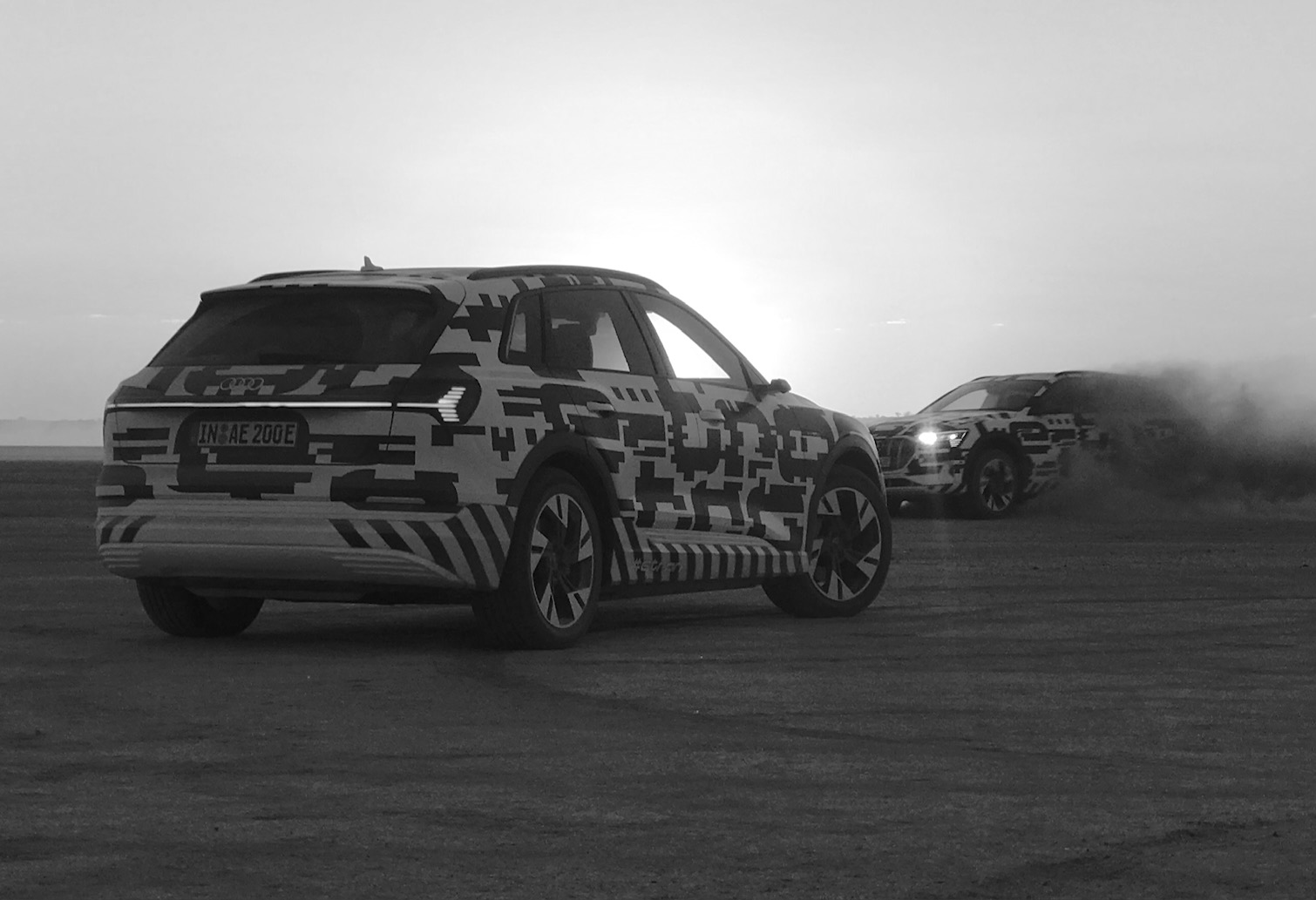
In September 2018, serial production officially began for the Audi e-tron, the very first 100% electric model in Audi’s history, which was later renamed the Audi Q8 e-tron in 2022.
Regarding the financial figures surrounding the conversion and closure of the Audi plant in Brussels, it is estimated that between initial investments and liquidation costs, the entire operation significantly exceeded two billion euros.
Frans Timmermans, the former Vice-President of the European Commission and the main political architect of the Green Deal and the 2035 ban on thermal cars, did not comment directly on the closure. He left the European Commission to return to national politics in the Netherlands. At the beginning of the major green transition, Timmermans was enthusiastic and considered the European automotive industry ready to lead the global shift toward electric vehicles.